Ceylon Yellow Sapphires
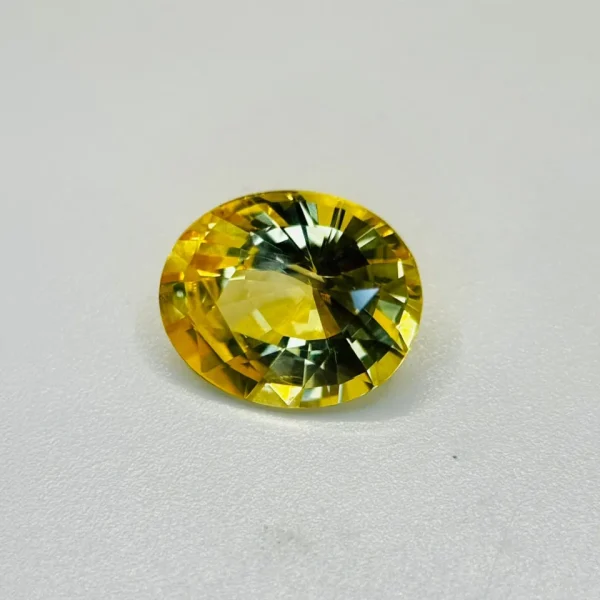
Lemon through golden to canary, cut in Ratnapura from the gravels that made Ceylon the benchmark for yellow. Heated or unheated stated on every stone, with a report you can check.
Available Ceylon Yellow Sapphires Gemstones
4 stones


Other Ceylon Gemstones
Natural
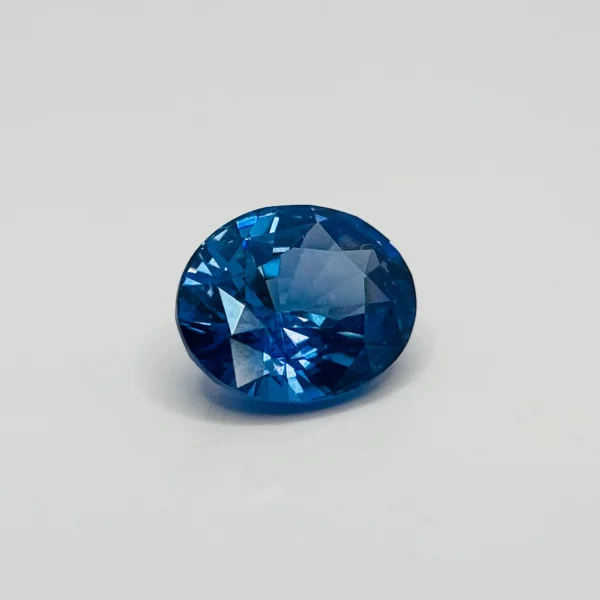
Natural Ceylon Blue Sapphire Mixed Oval
Enquire

Natural
Natural Ceylon Vivid Blue Sapphire Mixed Cut
Enquire

Natural
Natural Ceylon Blue Sapphire Oval Mixed Cut
Enquire
Natural
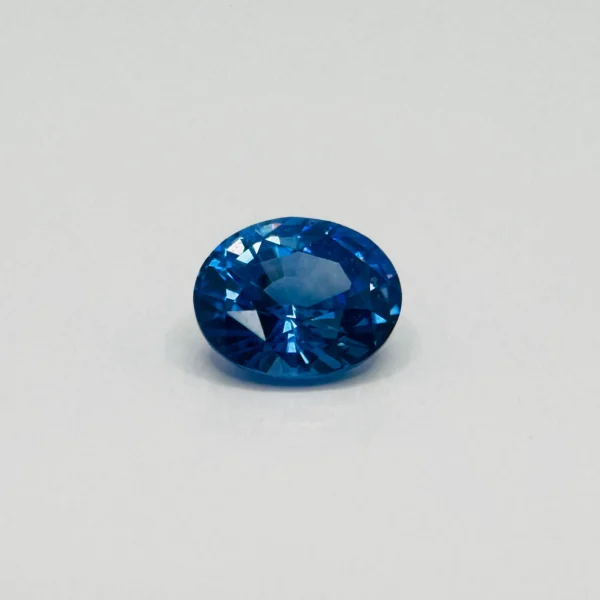
Natural Ceylon Vivid Blue Sapphire Round
Enquire

Certified
Parti sapphire, elongated octagon
US$ 3,150

Certified
Vivid blue sapphire, cushion
US$ 6,400

Certified
Ceylon royal blue sapphire, cushion
US$ 8,900

Certified
Hot pink sapphire, oval
US$ 3,650
Some yellow sapphire fades. Most does not.
This is the one thing worth knowing before you look at a single stone, because it is specific to yellow and almost nobody selling yellow mentions it.
Pale, greyish or faintly brown corundum can be exposed to controlled radiation, which brings up a saturated golden yellow that looks like the real thing. Often it is not stable. Strong light or heat can pull the colour back out over months or years, so the stone you bought is not the stone you own later. Worse, irradiation is difficult to detect in a laboratory, which is why the trade falls back on a fade test rather than an instrument.
Heated and untreated stones do not do this. Heat is permanent, normal, and a heated sapphire is still a natural sapphire. So the question to put to any seller is not whether the stone is treated but which treatment, and the answer should come off a report rather than out of a conversation. Beryllium diffusion turns up in yellow and orange corundum too, and it moves the value by a wide margin, so it wants naming as well.
Lemon, golden, canary
The trade uses these three words loosely and none of them is a grade, but they are a useful starting vocabulary.
| Term | What you are looking at | Where it sits on price |
|---|---|---|
| Lemon or pastel | Light tone, cool, slightly green leaning. Bright but soft. | The accessible end |
| Golden | Medium tone with warmth, sometimes a touch of orange. The classic Ceylon yellow. | Middle to upper |
| Canary | Vivid and pure, strongly saturated, no brown in it. Rare above three carats. | The top |
Brown is the fault to watch. A yellow carrying a brown cast reads dull in every light and no cut will rescue it. Push the other way, far enough towards orange and pink, and you have left yellow behind entirely: that is where padparadscha starts.
Sri Lanka has set the standard for this colour for centuries
Ceylon yellow runs bright and unusually transparent, and the island's material is the reference point the rest of the market is measured against. Madagascar supplies much of the remainder. Thailand produces heavily heated commercial goods at the volume end.
Origin moves the price, so it needs proving rather than asserting. Ask which laboratory issued the report, then check the number against that laboratory's own records. Our stones come out of the Ratnapura and Elahera gravels and are cut here in Sri Lanka.
Yellow is one of the better value colours
It sits well below fine blue at the same weight, and treatment does most of the rest of the work. Broad market guidance runs roughly from US$150 per carat for small pale heated stones, through US$600 to US$1,200 for good unheated Ceylon material at one to two carats, up to US$1,500 to US$4,000 for fine golden or canary with a report behind it.
Price per carat then climbs steeply with size, because clean golden rough above three carats is genuinely scarce. Those are market ranges rather than our prices. On what is listed today, the heated golden oval sits near the lower band and the unheated canary radiant at roughly double it, which is the usual step between heated and unheated at this colour.
If you came here for pukhraj
A large share of the world's yellow sapphire is bought for Vedic astrology, where the stone is called pukhraj and associated with Jupiter. Sri Lanka has been the classic source for that market for centuries, so you are in the right place geographically.
We will not tell you what a stone will do for you. That is not a claim we can stand behind, and anyone attaching a timetable to it is selling something we are not. What we can do is the checkable part: name the treatment, name the laboratory, give you the report number, and let you verify it yourself. That tradition asks for unheated and independently reported, which happens to be the same evidence a jeweller wants, so nobody has to take anything on trust.
It will survive whatever you do to it
Nine on the Mohs scale and no cleavage plane to split along, so any setting works, claws included, and daily wear is not a consideration. Warm soapy water and a soft brush is the whole of the maintenance.
Worth testing before you commit: yellow gold deepens the stone and pushes it warmer, white metal reads it cooler and brighter, and the difference is larger than most people expect. The same reports and the same terms cover every Ceylon stone we list.
Questions
Asked before you buy
If a question about yellow sapphire is not answered here, write to Colombo and a gemmologist replies, not a template.