Ceylon Green Sapphire
Ceylon green sapphire takes its colour from iron, not the chromium in emerald. Ceylon stones cut in Ratnapura, treatment stated, shipped insured worldwide.

Other Ceylon Gemstones

Natural
Natural Ceylon Blue Sapphire Oval Mixed Cut
Enquire
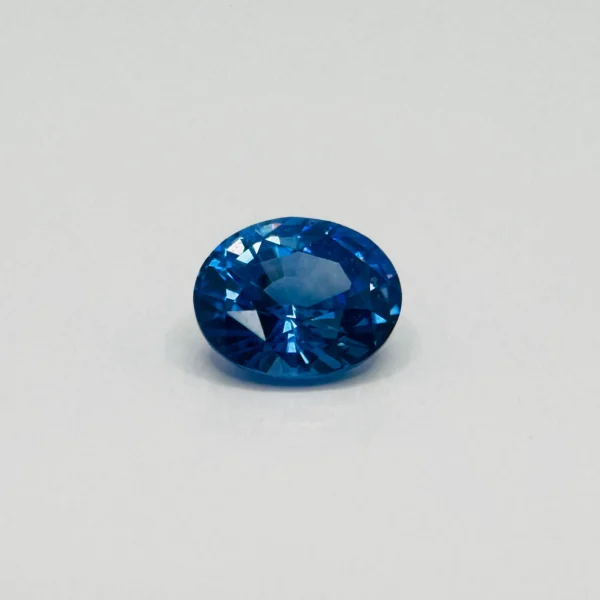
Natural
Natural Ceylon Vivid Blue Sapphire Round
Enquire
Natural
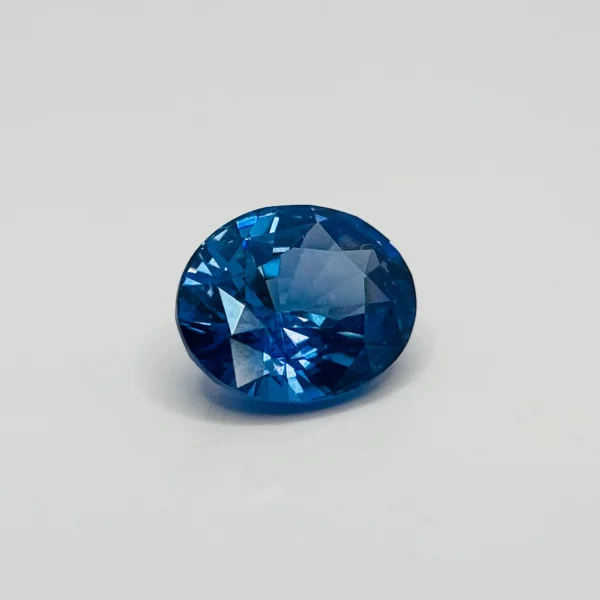
Natural Ceylon Blue Sapphire Mixed Oval
Enquire
Natural
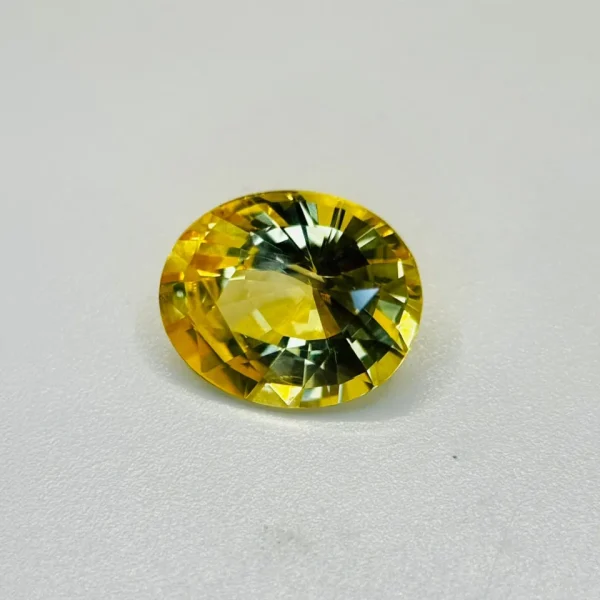
Natural Ceylon Vivid Yellow Sapphire
Enquire

Natural
Natural Ceylon Vivid Blue Sapphire Mixed Cut
Enquire

Certified
Parti sapphire, elongated octagon
US$ 3,150

Certified
Ceylon royal blue sapphire, cushion
US$ 8,900

Certified
Vivid blue sapphire, cushion
US$ 6,400
How to choose a green sapphire
Green sapphire is corundum coloured by iron, which is why it reads cooler and cleaner than an emerald. Decide first how green you want it, because the range runs from pale mint through olive to deep forest, and those are very different stones.
Most people arrive here from emerald. That comparison is worth making properly before anything else, because it usually settles the decision.
Green sapphire or emerald
Green sapphire wins on durability and clarity. Emerald wins on colour depth. Almost every other difference follows from those two facts.
The colour comes from different elements. Iron makes a sapphire green; chromium and vanadium make an emerald green. Chromium produces that glowing, velvety depth an emerald has and a sapphire does not. What a sapphire gives you instead is transparency and a stone you can stop worrying about.
| Green sapphire | Emerald | |
|---|---|---|
| Mineral | Corundum | Beryl |
| Mohs hardness | 9 | 7.5 to 8 |
| Toughness | Excellent, no cleavage plane | Poor to fair, usually heavily included |
| Typical clarity | Often eye clean | Almost always included |
| Usual treatment | Heat, if any | Oil or resin filling, near universal |
| Everyday ring | Yes, without conditions | Yes, with a protective setting and care |
The practical difference is what happens when you knock your hand on a doorframe. A sapphire shrugs it off. An emerald is a filled, included stone and it may not. If you want emerald colour and will accept the care, buy an emerald. If you want green on your hand for the next forty years, this is the easier stone.
Green, teal or parti
Three adjacent pages, three different stones. Green sapphire is green, running from mint to forest, with green dominant. A teal sapphire is a blue and green blend that reads as one peacock colour. A parti sapphire keeps two or more colours in separate visible zones.
The boundaries are judgements rather than rules, and some stones could sit on either page. If you want blue in the mix, start with teal sapphires. If you want the colours visibly divided, start with parti sapphires.
Where green sapphires come from
Sri Lanka is the benchmark for green, producing a pure, slightly cool forest colour. Australia is the larger source by volume and tends to run darker and more heavily saturated, sometimes to the point of looking almost black in poor light. Madagascar sits between them, brighter and often blue leaning, and turns up in larger sizes. East African material tends warmer and more yellow green.
Origin moves the price, so it needs proving rather than asserting. Ask which laboratory issued the report and check the number against that laboratory's own records before you spend anything.
What a green sapphire costs
Green is among the better value sapphire colours, well below fine blue at the same weight and usually below emerald too. Broad market guidance looks roughly like this, and note that origin, treatment and certification move every band.
| Type of stone | Indicative market range, per carat |
|---|---|
| Pale mint, under one carat | Around US$100 to US$400 |
| Medium green, Australian or Madagascan, under one carat | Around US$300 to US$800 |
| Fine medium green, unheated Ceylon, one carat | Around US$700 to US$1,800 |
| Vivid forest green, unheated Ceylon, certified | Around US$1,500 to US$3,500 |
These are market ranges rather than our prices, published so you have a reference before you shop anywhere. Price per carat also climbs sharply above two carats, because larger clean rough is far rarer than the size difference suggests.
Heat, and what to ask
Green sapphire is heated less often than blue, partly because the colour rarely improves enough to justify it, and unheated green material is easier to find than unheated blue. That makes it a good colour for a buyer who wants an untreated stone without paying the premium blue commands.
Less often is not never. Ask whether the stone is heated, and take the answer from the report rather than the listing. Heat is normal practice and a heated stone is still a natural sapphire; what matters is that somebody tells you.
Setting and everyday wear
Nine on the Mohs scale with no cleavage plane means any setting works, claws included, and the stone will take daily wear without special handling. Warm soapy water and a soft brush is all the care it needs.
Green sits well in yellow gold, which warms the stone, and in white metal, which pushes it cooler and greener. If green is not where you land, the same reports and the same terms cover our blue sapphires and every Ceylon stone we list.
Questions
Asked before you buy
If a question about green sapphire is not answered here, write to Colombo and a gemmologist replies, not a template.