Ceylon Blue Sapphire
Loose Ceylon blue sapphires with a lab report you can check yourself and the heat treatment stated plainly on every stone.
Available Ceylon Blue Sapphire Gemstones
9 stones

Natural
Natural Ceylon Vivid Blue Sapphire Mixed Cut
Enquire
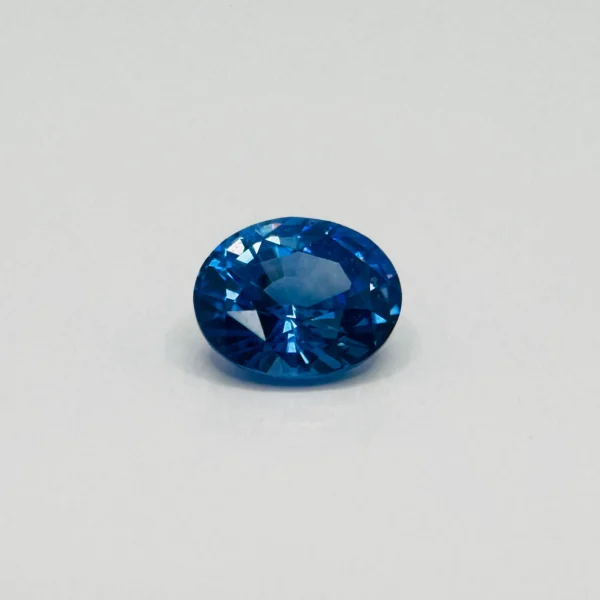
Natural
Natural Ceylon Vivid Blue Sapphire Round
Enquire

Natural
Natural Ceylon Blue Sapphire Oval Mixed Cut
Enquire
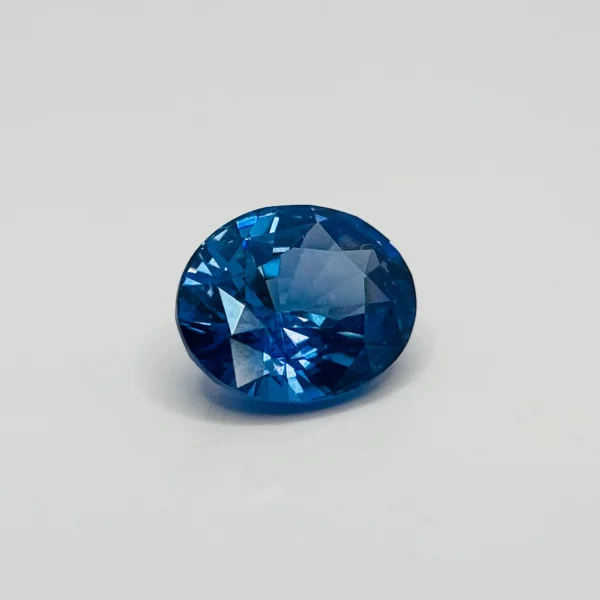
Natural
Natural Ceylon Blue Sapphire Mixed Oval
Enquire

Certified
Ceylon royal blue sapphire, cushion
US$ 8,900

Certified
Vivid blue sapphire, cushion
US$ 6,400

Certified
Cornflower blue sapphire, oval
US$ 2,450

Certified
Ceylon blue sapphire, square cushion
US$ 1,750

Certified
Ceylon blue sapphire, cushion
US$ 4,850
Other Ceylon Gemstones
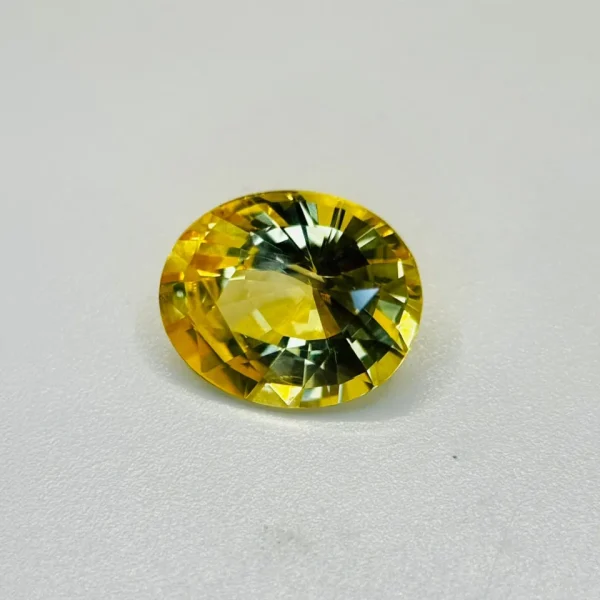
Natural
Natural Ceylon Vivid Yellow Sapphire
Enquire

Certified
Parti sapphire, elongated octagon
US$ 3,150

Certified
Teal sapphire, emerald cut
US$ 2,750

Certified
Ceylon pink sapphire, oval
US$ 2,300

Certified
Hot pink sapphire, oval
US$ 3,650

Certified
Ceylon yellow sapphire, oval
US$ 2,150

Certified
Canary yellow sapphire, radiant
US$ 4,900

Certified
Ceylon star sapphire, cabochon
US$ 3,400
How to choose a Ceylon blue sapphire
Colour decides most of what a blue sapphire is worth. Judge the colour first, confirm the treatment second, and look at the price last. Do it in that order and the rest of this page makes sense.
Sri Lanka's gravels produce stones that are brighter and more transparent than most origins. That is why Ceylon blue reads as clear rather than inky, even at deeper tones.
Royal blue, cornflower, vivid: what the names mean
These are colours, not places. Ceylon says where a stone came from. Royal blue says how it looks. A single sapphire is usually both, and half the confusion in this market comes from treating them as rival grades.
Colour breaks into three parts. Hue is the blue itself, plus any violet or green leaning. Tone runs light to dark. Saturation is how vivid it is against grey. Saturation is where the money sits.
| Term | What you are looking at | Who tends to want it |
|---|---|---|
| Cornflower blue | Medium tone, pure blue, slightly velvety. The colour Sri Lanka is known for. | Buyers who want a stone that stays bright indoors |
| Royal blue | Deeper, strongly saturated, often a touch of violet. Rich rather than bright. | Buyers who want weight and presence |
| Vivid blue | Exceptional saturation at either tone. Describes intensity, not depth. | Buyers who put colour strength first |
Neither is better. The trade itself disagrees on where one ends and the next begins. Put the royal blue cushion beside the cornflower oval on a daylight video and pick the one you want to keep looking at.
Heated or unheated
Most sapphires on the market are heated. It is permanent, it is normal, and a heated stone is still a natural sapphire. Heat is standard practice in the trade; hiding it is not.
Unheated stones are rarer, because the colour has to come out of the ground that way. That rarity is the whole premium. Across the stones listed here, unheated runs at roughly double the price per carat of comparable heated material.
Every stone on this page says heated or unheated, in the same size and colour as everything else on the listing. If a seller will not say which, that is your answer.
What Ceylon origin means, and how it is proved
Ceylon is the old name for Sri Lanka. As a gem term it means the stone was mined here, and it moves the price, which is exactly why it needs proof rather than assurance.
Origin is settled in a laboratory, by reading a stone's trace elements and inclusions against reference material of known source. Only a few laboratories do it properly. Every listing here shows the laboratory, the full report number and a link to that laboratory's own lookup, so you can check it before you spend anything.
Our stones come out of the Ratnapura and Elahera gravels and are cut in Sri Lanka. We buy at the mines and the gem markets ourselves. That is why we can name the district, not just the country.
What a blue sapphire costs, per carat
Price is quoted per carat, and it climbs faster than weight. Large rough is disproportionately rare, so a three carat stone costs well over three times a one carat stone of the same quality. Treatment and colour move it from there.
| Stones currently listed here | Price per carat |
|---|---|
| Heated, good to fine colour | About US$940 to US$1,140 |
| Unheated, fine colour | About US$1,420 to US$2,320 |
| Unheated, royal blue or vivid | Top of that range and above |
Those come from the stones on this page, not a market average, so they shift as stock moves. A certified unheated Ceylon stone priced far under this is worth a second look at its report.
Hard enough to wear every day
Sapphire is 9 on the Mohs scale, harder than any natural gem except diamond, and it has no cleavage plane to split along. Hard and tough, not just hard. That combination is why it is one of the few coloured stones a jeweller will put in an everyday ring without hesitating.
Any setting works, claws included. Clean it in warm soapy water with a soft brush. Ultrasonic is safe for a stone that is untreated or simply heated, never for glass filled or fracture filled material.
Blue is where most people start. The same reports and the same terms cover every Ceylon stone we list.
Questions
Asked before you buy
If a question about blue sapphire is not answered here, write to Colombo and a gemmologist replies, not a template.