Ceylon Sapphire, Every Colour From One Island
Nine colours out of one set of gravels, which almost no other origin manages. Cut in Ratnapura, heated or unheated stated on every stone, with a report number you can check.
Available Ceylon Sapphire, Every Colour From One Island Gemstones
19 stones
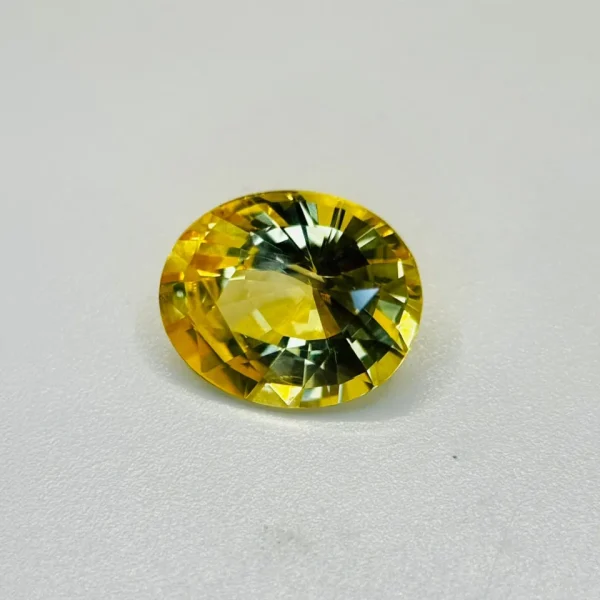
Natural
Natural Ceylon Vivid Yellow Sapphire
Enquire

Natural
Natural Ceylon Vivid Blue Sapphire Mixed Cut
Enquire
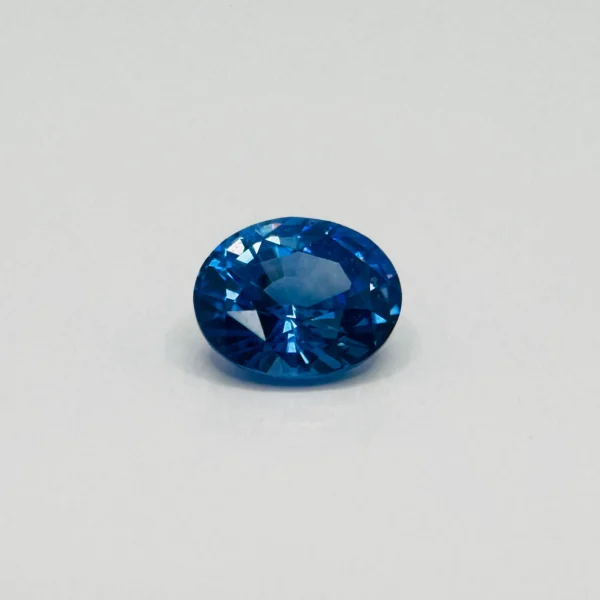
Natural
Natural Ceylon Vivid Blue Sapphire Round
Enquire

Natural
Natural Ceylon Blue Sapphire Oval Mixed Cut
Enquire
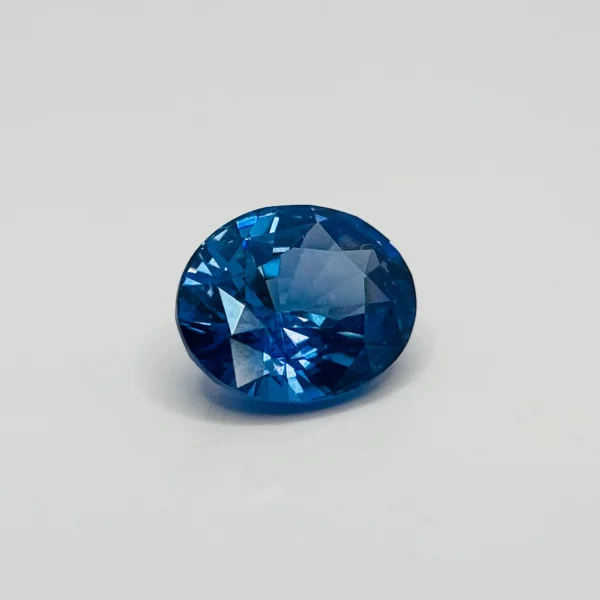
Natural
Natural Ceylon Blue Sapphire Mixed Oval
Enquire

Certified
Parti sapphire, elongated octagon
US$ 3,150

Certified
Ceylon royal blue sapphire, cushion
US$ 8,900

Certified
Vivid blue sapphire, cushion
US$ 6,400

Certified
Ceylon yellow sapphire, oval
US$ 2,150

Certified
Canary yellow sapphire, radiant
US$ 4,900

Certified
Ceylon star sapphire, cabochon
US$ 3,400

Certified
Ceylon white sapphire, round brilliant
US$ 1,350
One island, every colour
Most sapphire origins are known for one thing. Kashmir meant blue. Montana means teal and blue. Sri Lanka is the unusual one, because a Ceylon sapphire can be any colour corundum comes in. The island produces the whole spectrum out of the same ground.
The reason is how the stones are found. Sri Lankan corundum is worked mainly from illam, the gem bearing gravel layer, which is alluvial. Rivers spent a very long time stripping a wide metamorphic catchment and washing everything into the same beds, so a single pit can give up blue, yellow, pink and a parti stone in one week. Nowhere else concentrates that much chemical variety in one place.
That is why we keep nine colour pages rather than one. It is also why a Ceylon sapphire lets us treat colour and origin as separate questions, which most sellers cannot.
Where each Ceylon sapphire colour sits
Start here if you know the colour you want. Each page covers what to look for, what it costs and what treatment is normal for that colour specifically.
What Ceylon sapphire means on a report
Ceylon is the old name for Sri Lanka. As a gem term it means the stone was mined here. Because origin moves the price, a Ceylon sapphire is a claim rather than a description, so treat it as one.
Origin is settled in a laboratory, by reading a stone's trace element chemistry and its inclusions against reference collections of material of known source. Only a handful of laboratories do this work to a standard the trade relies on. Every stone we list carries the laboratory name and the full report number, with a link to that laboratory's own lookup, so the claim is checkable before you spend anything rather than after.
Ours come out of the Ratnapura and Elahera gravels. We cut them here. We buy at the mines and the gem markets ourselves, which is how we can name the district rather than only the country.
Geuda, or why this island invented the heat argument
Roughly three quarters of the corundum that comes out of these gravels is geuda: milky, translucent rough clouded by rutile silk, showing a diesel sheen in transmitted light. Before the 1970s it was worthless enough to spread on garden paths.
Then Thai burners worked out that heat dissolves the silk. An island full of useless pale rough became an island full of Ceylon sapphire. That single discovery is why heat treatment is normal in this trade rather than shameful, plus why unheated stones carry the premium they do. It is a Sri Lankan story before it is anybody else's.
So we state heated or unheated on every listing, in the same words and the same size. A heated Ceylon sapphire is still a natural sapphire. What is not acceptable is a seller who will not tell you which one you are looking at.
What one costs
Enormously variable, because the term covers ten colours at ten different scarcities. Rather than guess, we publish the ranges: general market figures per carat by type in the price index, what untreated colour actually asks in the unheated premium, plus medians computed from our own listings with the stone count printed beside each one.
Those are not our prices and we say so on the page. They exist so you can judge any Ceylon sapphire quote, including ours, against something dated and sourced. Every stone is priced individually on its own listing against its own report. Browse everything we hold, or pick a colour above and start there.
Questions
Asked before you buy
If a question about Ceylon sapphire is not answered here, write to Colombo and a gemmologist replies, not a template.