Ceylon Tourmaline
The stone that gave us a Sinhalese word the whole world still uses. Warm one and it holds a charge. Certified, treatment stated, out of the gravels the name came from.

Other Ceylon Gemstones

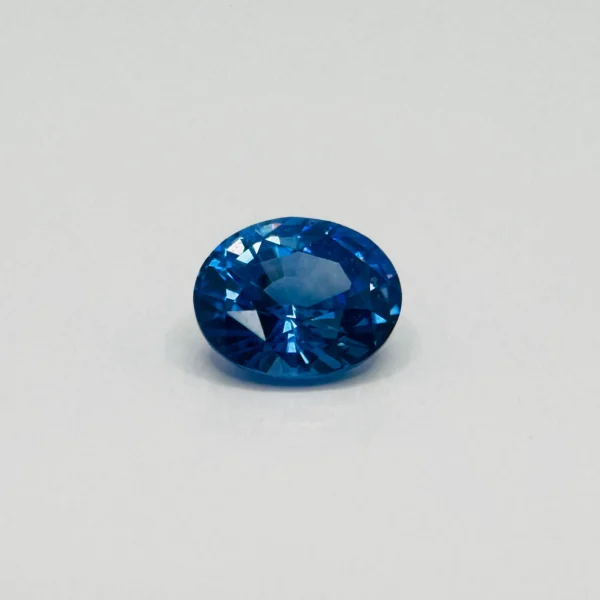
Natural
Natural Ceylon Blue Sapphire Oval Mixed Cut
Enquire
Natural
Natural Ceylon Vivid Blue Sapphire Round
Enquire
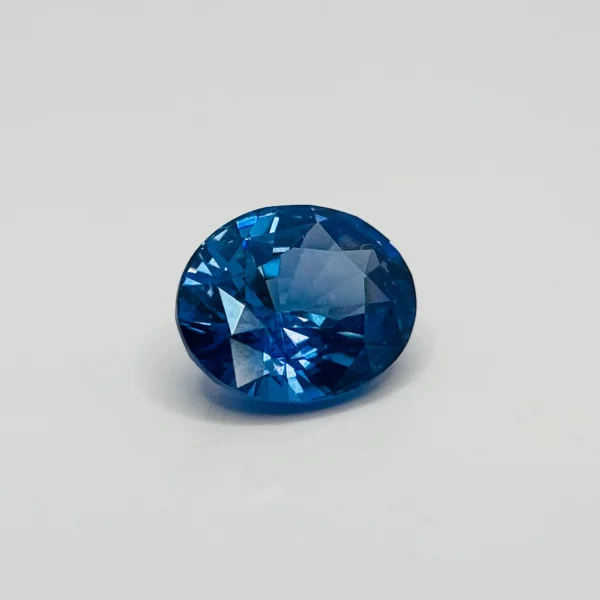
Natural
Natural Ceylon Blue Sapphire Mixed Oval
Enquire
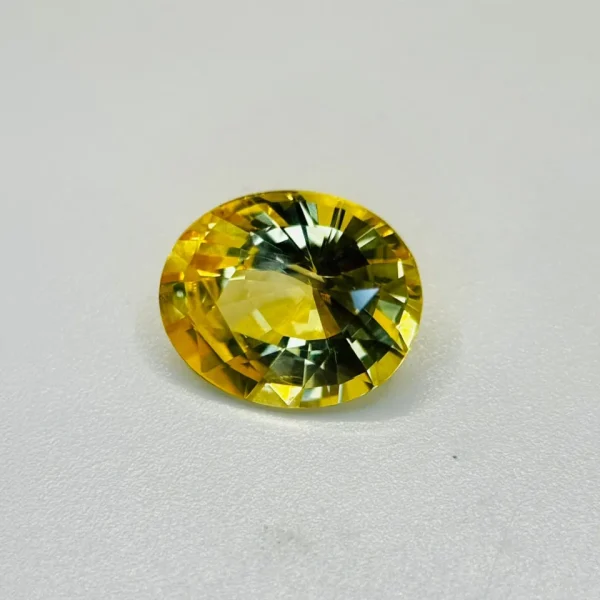
Natural
Natural Ceylon Vivid Yellow Sapphire
Enquire

Natural
Natural Ceylon Vivid Blue Sapphire Mixed Cut
Enquire

Certified
Parti sapphire, elongated octagon
US$ 3,150

Certified
Ceylon royal blue sapphire, cushion
US$ 8,900

Certified
Vivid blue sapphire, cushion
US$ 6,400
Ceylon tourmaline gave the stone its name
Turamali, or thoramalli depending on which spelling you follow. It is a Sinhalese word. Dealers here used it for a parcel of mixed colour stones, which is what the name means. The Dutch East India Company started shipping those parcels to Europe around 1703. The name travelled with the stones and never went back. The Oxford dictionary still gives the Sinhalese root.
We should be straight about what that does and does not mean today. The word is ours. The great modern deposits are not. Brazil, Afghanistan, Nigeria, Mozambique and Madagascar produce most of the world's gem tourmaline now. A Ceylon tourmaline is a minor part of an island output dominated by corundum.
What we do have is the gravel the word came out of, plus the same reporting standard we apply to everything else.
They called a Ceylon tourmaline the Ceylonese Magnet
Here is the property no other gem has. It is worth knowing before you set one. Warm a tourmaline or rub it and one end of the crystal goes positive while the other goes negative. It is pyroelectric and piezoelectric at once, which among gemstones is close to unique.
Eighteenth century Europe found this astonishing. Dutch traders used warmed crystals to draw ash out of their meerschaum pipes, calling the stone aschentrekker, the ash puller. Chemists in the nineteenth century used polished slices to polarise light. For a while the trade name was simply the Ceylonese Magnet.
The practical consequence reaches you. A Ceylon tourmaline sitting under a warm shop light will gather dust faster than the stones around it, because it is quietly charged. That is not a fault in the stone. It just wants cleaning slightly more often than you would expect.
One treatment your report cannot catch
Unlike garnet or spinel, tourmaline is genuinely worth treating, so treatment here is common and it matters. Heat lightens stones that came out too dark, particularly reds. Fracture filling hides surface reaching breaks. Both are detectable and both should appear on a report.
Irradiation is the awkward one. Gamma rays or an electron beam will deepen a pale manganese bearing pink into a saleable rubellite. The colour is stable, yet gemmologically it is generally not possible to determine that it happened. No laboratory can rule it out with certainty on most material.
We would rather say that plainly than pretend a certificate answers every question. On a Ceylon tourmaline the report tells you the species, the origin and what can be detected. On irradiation you are relying on the chain of hands the stone passed through, which is precisely why we name ours.
Buy the colour rather than the variety name
Tourmaline runs through more colours than any other gem. The trade has invented a name for most of them. Rubellite for pink to red, indicolite for blue, chrome tourmaline for the vivid greens, Paraiba for copper bearing neon material now coming from three continents rather than one Brazilian state. Watermelon for the pink centred slices.
Those names carry premiums, sometimes far beyond what the stone in front of you justifies. A fine indicolite is worth more than a dull one whatever either is called. Judge saturation. Judge how open the colour stays when you tilt the stone, then watch for the darkness that long tourmaline crystals often carry down their length.
What it costs and how it wears
Ordinary green and pink material runs from tens of dollars a carat. Fine rubellite and indicolite reach the hundreds, chrome tourmaline higher still. Copper bearing Paraiba type stones run into thousands and beyond. That spread is wider than almost any other gem family, which is why the species and the treatment line both matter so much.
Questions
Asked before you buy
If a question about Ceylon tourmaline is not answered here, write to Colombo and a gemmologist replies, not a template.