Ceylon Padparadscha Sapphire
Padparadscha comes from padma raga, the Sinhalese for lotus colour. Certified Ceylon padparadscha sapphires, unheated, cut a few hours from the gravels.
Available Ceylon Padparadscha Sapphire Gemstones
2 stones


Other Ceylon Gemstones

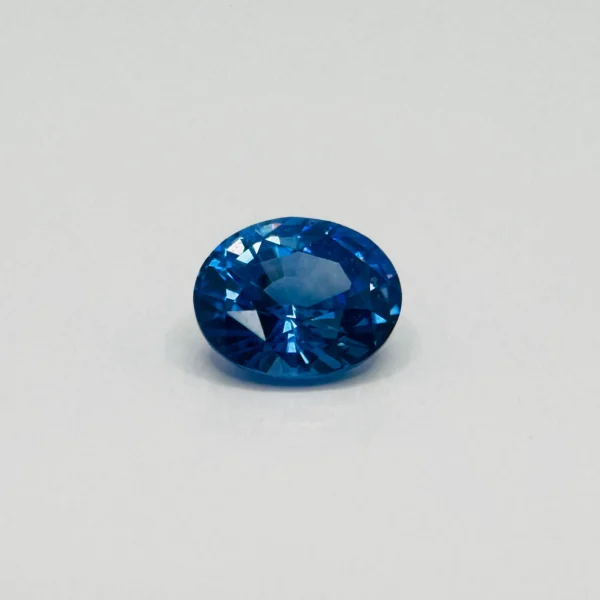
Natural
Natural Ceylon Blue Sapphire Oval Mixed Cut
Enquire
Natural
Natural Ceylon Vivid Blue Sapphire Round
Enquire
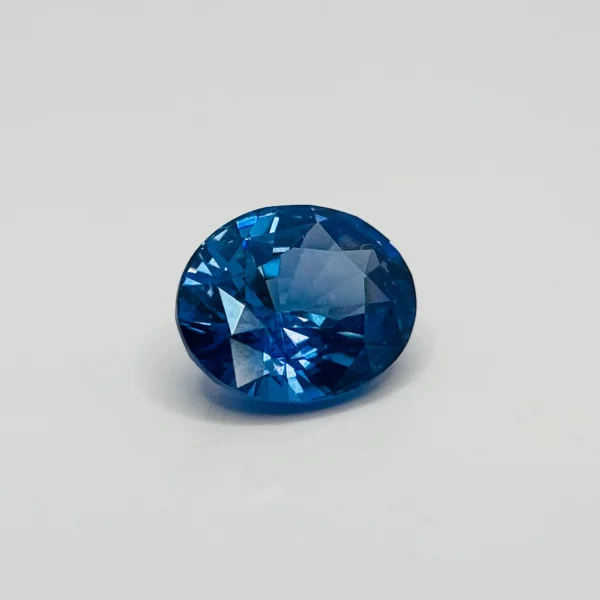
Natural
Natural Ceylon Blue Sapphire Mixed Oval
Enquire
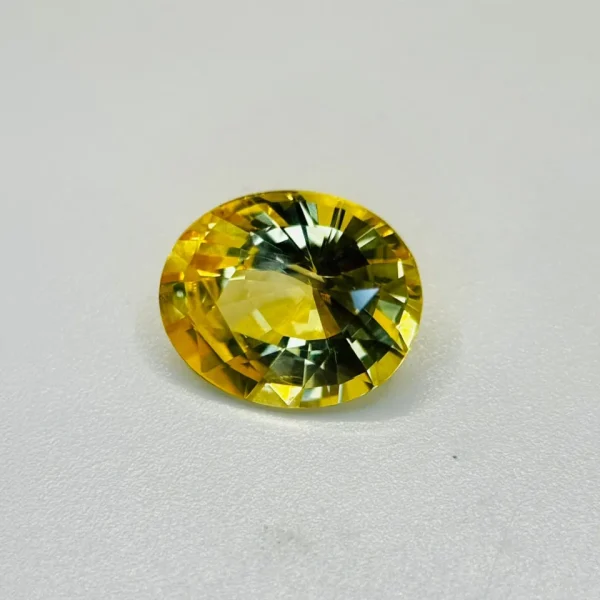
Natural
Natural Ceylon Vivid Yellow Sapphire
Enquire

Natural
Natural Ceylon Vivid Blue Sapphire Mixed Cut
Enquire

Certified
Parti sapphire, elongated octagon
US$ 3,150

Certified
Ceylon royal blue sapphire, cushion
US$ 8,900

Certified
Vivid blue sapphire, cushion
US$ 6,400
The name is a laboratory's opinion and it can be withdrawn
A Ceylon padparadscha sapphire is the only sapphire whose classification the world's best laboratories openly disagree about. That is not a scandal. It is the nature of a colour defined by balance rather than by measurement. It is the first thing you should understand before spending padparadscha money.
The harmonised definition describes a subtle mixture of pinkish orange to orangey pink, pastel in tone, low to medium in saturation and judged in standard daylight. GIA, SSEF and Gübelin work to it. GRS runs its own catalogue and will call some highly saturated stones Sunrise or Sunset padparadscha that the others would file as pink or orange sapphire. A borderline padparadscha sapphire can come back with the name from one laboratory and fancy sapphire from another. That is why serious stones are sometimes sold with two concurring reports rather than one.
Then there is the part almost nobody selling this colour will tell you. In 2018 the laboratories added a colour stability test, because some stones borrow their orange from unstable colour centres that ultraviolet light charges and ordinary daylight discharges. Those stones look like a padparadscha sapphire in the window and settle to plain pink over months. A report issued before that rule change may not survive a re-test today. When you buy this colour you are buying a laboratory's judgement, so it matters a great deal which laboratory and how recently.
Peach is not padparadscha and the gap is several times the price
We list both on this page, so we will draw the line rather than blur it. Mislabelling peach as padparadscha is the most common way buyers are overcharged in this corner of the trade. The premium a genuine designation carries is roughly three to five times.
| What the report says | What it means | What it does to price |
|---|---|---|
| Padparadscha | Pink and orange both present and balanced, pastel, stable under test | The full premium |
| Pink-orange or orangy pink sapphire | Approaches the zone without reaching it. Often lovely | Well below |
| Peach sapphire | Adjacent colour, warmer or softer, a different category commercially | A fraction |
| Beryllium diffusion noted | Colour driven in from the surface. No laboratory will call this padparadscha | A small fraction |
A peach sapphire is a beautiful thing that we are happy to sell you at a peach sapphire price. What we will not do is call it a padparadscha sapphire.
Beryllium made this exact colour cheap to fake
Beryllium diffusion drives colour into corundum from the surface at high temperature. It reached the market in the late 1990s out of Thailand and for three or four years diffused stones sold as natural padparadscha sapphire at natural prices, because nothing in a loupe or a refractometer could catch them. GIA, Gübelin and SSEF identified the treatment in 2001 once mass spectrometry could find the beryllium. A great many certificates had to be revisited.
You cannot see it. Neither can we, though we handle this material every week. Only a laboratory with the right instrument can rule it out. That is the whole reason we will not list a stone in this colour without a report that addresses it. Every listing here carries the laboratory, the full report number and a link to that laboratory's own lookup.
Ratnapura named this colour
Padparadscha comes from padma raga, the Sinhalese for lotus colour. The stones came out of gem gravels a few hours from where we sit. That history is why one school in the trade still holds that only a Sri Lankan stone deserves the word, while the harmonised laboratory definition allows it from any origin. Madagascar and the Umba Valley in Tanzania both produce material in the zone.
We are not neutral about this and we will not pretend otherwise. Ceylon material is the benchmark the colour was named after, its warm slightly violet influenced pink orange is what most collectors picture. A report reading padparadscha with a Ceylon origin call is the top of the category. That said, origin is a claim like any other. Ask which laboratory made it.
One local habit worth knowing. Sri Lankan rough is often native cut at the source to save every last milligram, which leaves windows in the middle of the stone where light escapes instead of returning. A well proportioned two carat stone will outperform a lazy two and a half carat one, so buy the cut rather than the weight.
A Ceylon padparadscha sapphire under five thousand a carat is a warning
Fine unheated Sri Lankan material above a carat sits roughly between five thousand and thirty thousand dollars per carat, which makes the Ceylon padparadscha sapphire one of the most expensive things corundum does. Rarity compounds with size, so the curve steepens rather than climbs.
An unheated stone runs two to three times a heated one of the same colour and size. Heat tends to break the pink orange balance anyway, so a fine padparadscha sapphire is usually unheated as a matter of physics rather than marketing. Anything wearing the name well under five thousand a carat is worth a hard look at the report. It is usually peach, or pink-orange that missed the call, or beryllium.
Questions
Asked before you buy
If a question about padparadscha is not answered here, write to Colombo and a gemmologist replies, not a template.