Ceylon Teal Sapphires
Blue shifting to green in one stone, from the gravels that produce the whole Ceylon colour range. Cut in Ratnapura, unheated, with a report number you can check yourself.
Available Ceylon Teal Sapphires Gemstones
2 stones


Other Ceylon Gemstones

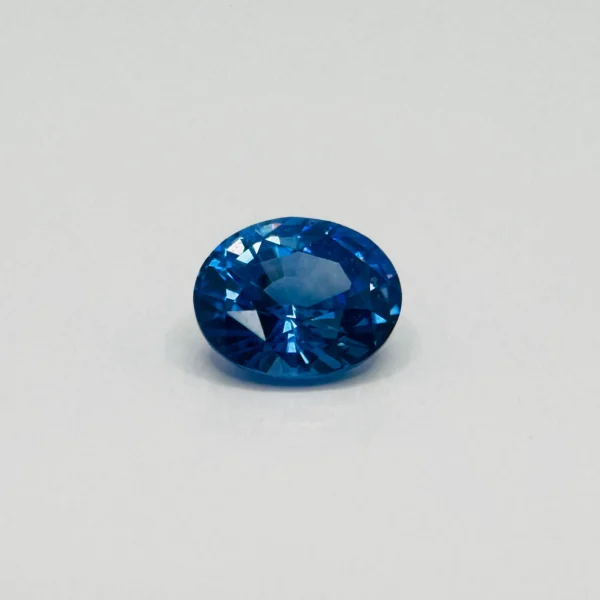
Natural
Natural Ceylon Blue Sapphire Oval Mixed Cut
Enquire
Natural
Natural Ceylon Vivid Blue Sapphire Round
Enquire
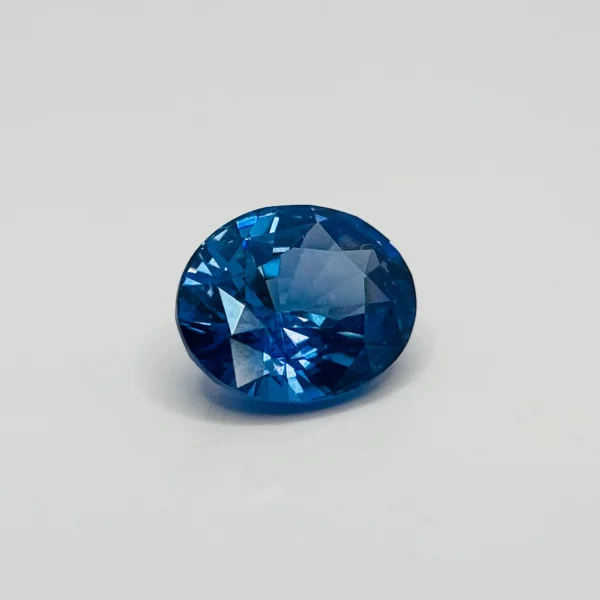
Natural
Natural Ceylon Blue Sapphire Mixed Oval
Enquire
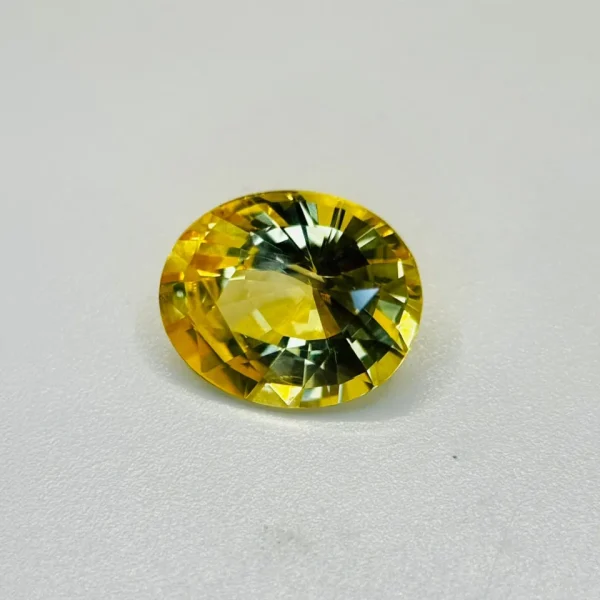
Natural
Natural Ceylon Vivid Yellow Sapphire
Enquire

Natural
Natural Ceylon Vivid Blue Sapphire Mixed Cut
Enquire

Certified
Parti sapphire, elongated octagon
US$ 3,150

Certified
Ceylon royal blue sapphire, cushion
US$ 8,900

Certified
Vivid blue sapphire, cushion
US$ 6,400
No laboratory will write teal on your report
Buy a Ceylon teal sapphire from us and the report will call it greenish blue or blue green. Teal is a market word. It arrived with the alternative bridal boom of the last decade, it describes a look rather than a grade and no gemmological laboratory in the world recognises it.
We are not complaining. It is a good word and it describes something real. But it does no work for you when you compare two listings, because one seller's teal sapphire is another seller's green sapphire and neither of them is lying. Judge the stone, then check what the laboratory actually called it.
Where a teal sapphire stops and green or parti begins
These three sit beside each other in our own catalogue and buyers slide between them constantly, so here is the line as the trade draws it.
| What your eye does | Boundaries | |
|---|---|---|
| Teal | Reads as one colour. Blue and green mix into a single peacock hue | None visible |
| Green | Reads green, from mint to forest, with green clearly dominant | None visible |
| Parti | Reads two or three colours at once, sitting in separate zones | Visible, the whole point of the stone |
The finest teal sapphires are usually described as close to an even split of blue and green. Push the balance towards green and you are shopping for green sapphire. Let the colours separate into zones and it is a parti sapphire. Some stones honestly sit on a line, ours included. When one does we say so on the listing rather than filing it wherever it sells fastest.
The colour is doing the work of a treatment report
Teal comes out of a particular balance of iron in the crystal. Heat disturbs that balance and pushes the stone towards flat blue or a grey green, which is to say heat does not improve a teal sapphire, it removes one. Nobody burns teal rough on purpose because there is nothing to gain by it.
So a stone that is genuinely, visibly teal has probably never seen a furnace. The colour is itself a piece of evidence. That is a rare thing in sapphire. It is also why a teal sapphire gives you unheated Ceylon corundum at a price unheated blue will never touch.
Probably is not certainly. Commercial material at the darker Australian end does get heated to lift a muddy stone, so we still put a laboratory name and a report number on ours. You can still check it before you spend anything.
Montana is a place, teal is a colour
Half the market uses the two words interchangeably and it costs buyers money. Montana produces teal sapphire, along with green, yellow, pink and parti. Plenty of teal sapphire comes from nowhere near Montana.
The looks differ, so this matters more than pedantry. Montana material runs earthy and muted, often mossy or touched with grey, carrying a domestic premium in the American market. Australian stones are darker and more strongly green and form the backbone of commercial goods. Madagascar produces bright balanced colour at accessible money. A Ceylon teal sapphire has the luminosity the island is known for and holds its colour across ordinary lighting better than most.
We sell the Ceylon version because that is what comes out of the ground here. If the mossy grey Montana character is what you want, we would rather send you to buy it than sell you something that is not it.
It will look different in your kitchen
Nobody warns you about this. A teal sapphire shifts more than any other sapphire colour between a window and a lamp, leaning bluer in daylight and greener under warm artificial light. It is not a colour change stone in the gemmological sense, but you will notice it every day for the rest of the stone's life.
Which is why one photograph is close to useless here. It is why we would rather put a stone on a video call than sell it off an image. We take it to the window, then under a bulb. You decide which version you are marrying.
A Ceylon teal sapphire costs less than blue for no good reason
Market guidance for teal sapphire runs from a few hundred dollars a carat for pale or muddy material up to four thousand and beyond for a finely balanced certified stone. Ceylon and Madagascan goods of good colour sit through the middle of that band.
Set against blue of equivalent quality and treatment status it is markedly cheaper. The only reason is fashion. Blue has two thousand years of demand behind it. Teal has about ten. That gap is the buying opportunity and it is why we hold the colour.
The emerald cut we have listed carries its own price and report. It also carries the same nine on the Mohs scale and the same absent cleavage plane as any Ceylon blue sapphire, which makes a teal sapphire fit to wear every day of your life.
Questions
Asked before you buy
If a question about teal sapphire is not answered here, write to Colombo and a gemmologist replies, not a template.