Ceylon Pink Sapphire
Blush through hot pink from the Ratnapura gravels, low in iron so the colour carries a glow. Heated or unheated stated on every stone, with a report you can check.
Available Ceylon Pink Sapphire Gemstones
3 stones


Other Ceylon Gemstones

Natural
Natural Ceylon Blue Sapphire Oval Mixed Cut
Enquire
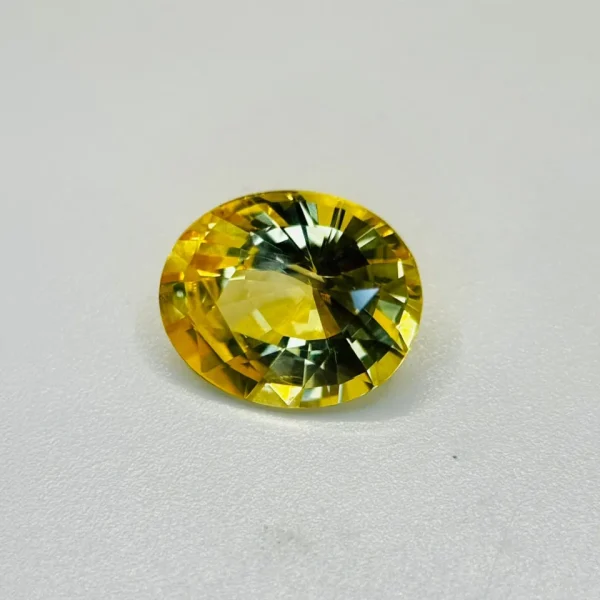
Natural
Natural Ceylon Vivid Yellow Sapphire
Enquire
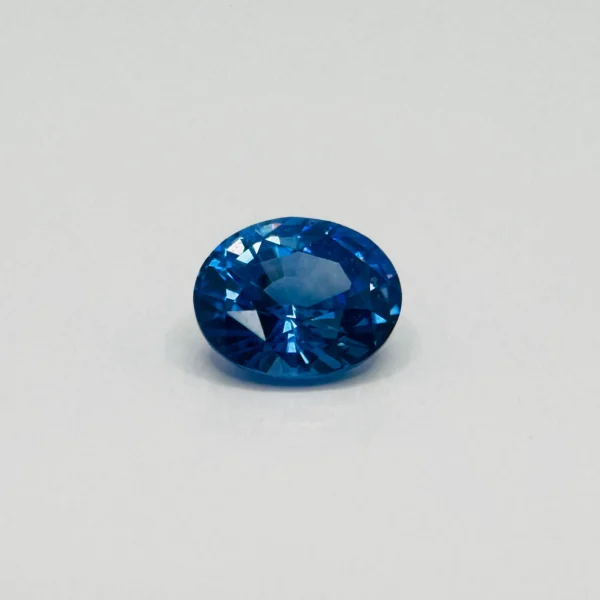
Natural
Natural Ceylon Vivid Blue Sapphire Round
Enquire
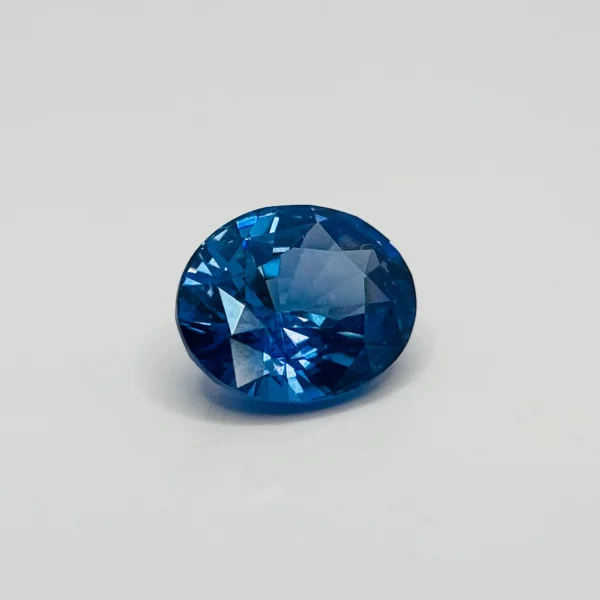
Natural
Natural Ceylon Blue Sapphire Mixed Oval
Enquire

Natural
Natural Ceylon Vivid Blue Sapphire Mixed Cut
Enquire

Certified
Parti sapphire, elongated octagon
US$ 3,150

Certified
Vivid blue sapphire, cushion
US$ 6,400

Certified
Ceylon royal blue sapphire, cushion
US$ 8,900
In Colombo some of these would be sold as ruby
We should say that before anything else. A Ceylon pink sapphire and a ruby are the same mineral, coloured by the same element, pulled out of the same gravels. The only thing separating them is where somebody chooses to draw a line between pink and red. That line moves depending on which country you are standing in.
Chromium does the colouring. A generous dose saturates corundum to ruby red. A lighter dose stops at pink and the stone keeps the sapphire name. Nothing measures the crossing point, so laboratories judge borderline stones one at a time against master references. GIA calls it ruby only when red is the dominant hue. The International Colored Gemstone Association counts any red corundum as ruby whatever the depth. Here in Sri Lanka and in Myanmar the strongest pinks have long been sold as ruby. A stone that is pink sapphire on an American report can be ruby in the market it came out of.
The trade has an old joke about this: it is a ruby if you are selling and a pink sapphire if you are buying. The gap is not small, running from a few hundred dollars to tens of thousands on the same stone. We call ours what the laboratory calls them. The report number is on every listing so you can check the call rather than take our word for it.
Why a Ceylon pink sapphire looks lit from inside
This is the part worth knowing before you compare photographs. Chromium colours the stone, then does a second thing. It fluoresces red under daylight. Iron kills that effect. Sri Lankan corundum tends to be low in iron, so the fluorescence survives and stacks a soft glow on top of the body colour.
The practical result is that a fine Ceylon pink sapphire seems to carry its own light in daylight, where a higher iron stone of the same hue reads flat. Madagascar produces vivid intense pinks and plenty of them. Burma and Kashmir sit at the top of the price ladder. What Sri Lanka is known for is the pastel through hot pink range with that inner glow, which is exactly what our two current stones show.
It sits between two more expensive neighbours
Pink has ruby on the red side and padparadscha on the orange side. Both neighbours cost multiples of it. That geography is the whole commercial story of the colour, because a stone near either border is worth arguing about.
It also explains a treatment you should know by name. Irradiation can push an orange component into a pink sapphire and carry it into padparadscha territory, which is why that colour attracts more scrutiny than any other in corundum. A laboratory report closes both questions at once: what the stone is called and what was done to it.
Around nine in ten have been heated
Heat is the normal condition for commercial pink sapphire. It is permanent and a heated stone is still natural corundum. Low temperature treatment is also used, which is harder to detect because it sits closer to what the earth does, though a laboratory will still name it on the report.
Unheated pink is genuinely scarce and priced accordingly. On the two stones listed here the heated oval works out near thirteen hundred dollars a carat while the unheated hot pink sits close to twenty five hundred. That is roughly the doubling you should expect at this colour. Beryllium diffusion turns up in pink corundum too. We will not list a stone in this colour without a report that addresses treatment.
What you pay and what you get
Natural gem quality pink sapphire runs broadly from a couple of hundred dollars a carat for pale commercial material to around three thousand for fine saturated stones with paperwork, rising from there for Burmese origin or exceptional size. That is a wide band because the colour covers everything from blush to magenta.
Judge saturation first. Grey and brown are the enemies here. A muddy pink stays muddy whatever the cut does. Then look at how evenly the colour sits, since pink corundum zones more visibly than blue and a stone can carry its colour in one corner.
Questions
Asked before you buy
If a question about pink sapphire is not answered here, write to Colombo and a gemmologist replies, not a template.