Ceylon Rubies
Ruby and pink sapphire are one mineral, separated by where a laboratory draws a line. We list every stone under the name the report gives it. Cut in Ratnapura, treatment stated.

Other Ceylon Gemstones

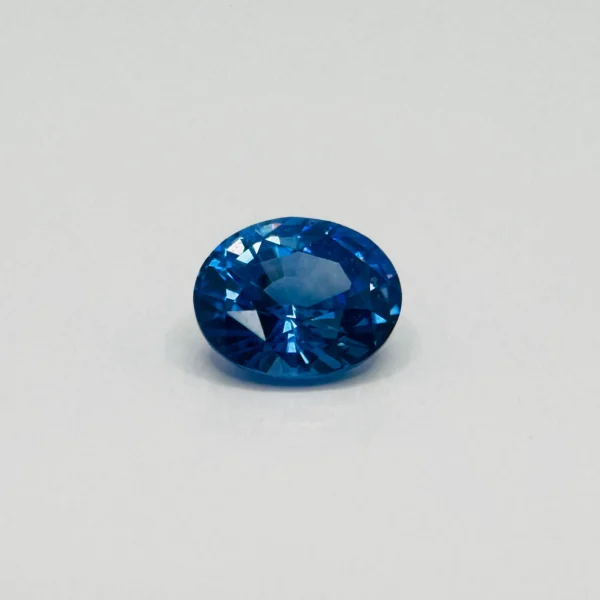
Natural
Natural Ceylon Blue Sapphire Oval Mixed Cut
Enquire
Natural
Natural Ceylon Vivid Blue Sapphire Round
Enquire
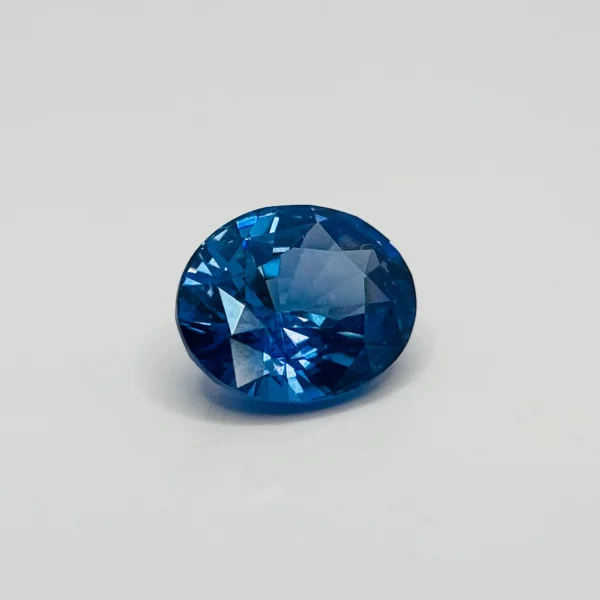
Natural
Natural Ceylon Blue Sapphire Mixed Oval
Enquire
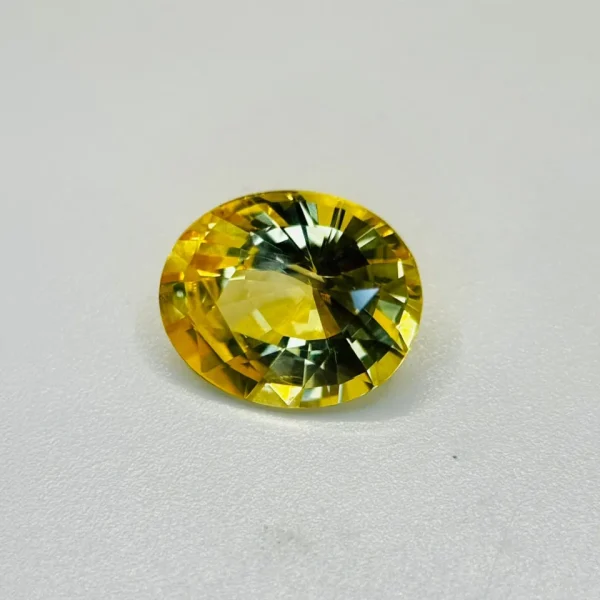
Natural
Natural Ceylon Vivid Yellow Sapphire
Enquire

Natural
Natural Ceylon Vivid Blue Sapphire Mixed Cut
Enquire

Certified
Parti sapphire, elongated octagon
US$ 3,150

Certified
Ceylon royal blue sapphire, cushion
US$ 8,900

Certified
Vivid blue sapphire, cushion
US$ 6,400
A Ceylon ruby is not a Burmese ruby
We should get that out of the way, because a good deal of what is written about rubies from this island quietly implies otherwise. Burma set the standard and still holds it. Mozambique has become the world's main source of fine gem material since Montepuez opened. Sri Lanka sits behind both on saturation and always has.
What Sri Lanka gives you instead is a different stone. Our corundum forms in metamorphic rock with very little iron, which leaves the chromium fluorescence intact but with less chromium overall. The reds come out lighter and brighter rather than deep. A fine Ceylon ruby is a clear raspberry to soft crimson that glows in daylight, often with fine rutile silk lending it a creamy quality. A Ceylon ruby is not pigeon's blood and no honest dealer here will tell you it is.
Priced accordingly, which is the useful part. Fine Burmese material runs into tens of thousands per carat and beyond. Ceylon sits far below that for a stone with real transparency and a genuine red.
The line with pink sapphire is blurriest at exactly this origin
Ruby and pink sapphire are the same mineral coloured by the same element, separated only by where somebody decides red begins. Because Sri Lankan corundum runs light, more of our production lands near that line than anywhere else on earth.
That has a consequence you should know before you shop. The strongest pinks here have long been traded locally as ruby, so a stone sold as a Ceylon ruby in Colombo can come back from an American laboratory as a pink sapphire. The price moves with the word. We list stones under the name the laboratory gives them, on both pages, with the report number on the listing so you can check the call rather than trust it.
Most cheap rubies are mostly glass
This is the largest fraud in coloured stones and it is worth more of your attention than anything else on this page. Poor grade corundum, too fractured to sell, is filled with molten lead glass until the cracks disappear. What comes out looks like a transparent red gem and gets sold as ruby.
| Lead glass filled | Natural, heated or unheated | |
|---|---|---|
| Typical price | A few dollars per carat | Hundreds to many thousands |
| Household chemicals | Lemon juice and cleaners etch the glass | Unaffected |
| Jeweller's torch | Ruined during a simple resizing | Survives normal bench work |
| Under magnification | Flash effect and pale filled lines | Mineral inclusions and rutile silk |
These stones reach ordinary high street counters, not just market stalls. Buyers have paid four figures for material worth a fraction of it. The defence is simple. Ask which laboratory issued the report, ask what the treatment line says, then check the number yourself.
Heat is normal, everything else needs naming
Most rubies on the market have been heated. It is permanent, centuries old as a practice, leaving a natural stone natural. Unheated stones of good colour carry a substantial premium, because the colour arrived that way.
Beyond heat, three treatments change what you are buying and all three must appear on a report: lead glass filling as above, flux healing of fractures and surface diffusion. We will not list a Ceylon ruby without a report that addresses treatment, which is the same rule we apply to every stone we sell.
What Ceylon rubies cost
Market guidance for a fine Ceylon ruby runs roughly eight hundred to four thousand dollars per carat heated, or around two to ten thousand unheated. Commercial goods sit below that. Burmese pigeon's blood begins where this range ends, climbing into six figures.
Judge colour first and be honest with yourself about tone. A ruby that reads brown in ordinary light stays brown. One that goes black in the corners is cut too deep. Then look at whether the red is open and even across the stone rather than pooling in the centre.
Questions
Asked before you buy
If a question about Ceylon ruby is not answered here, write to Colombo and a gemmologist replies, not a template.